Spotlight Summary
Profile Overview
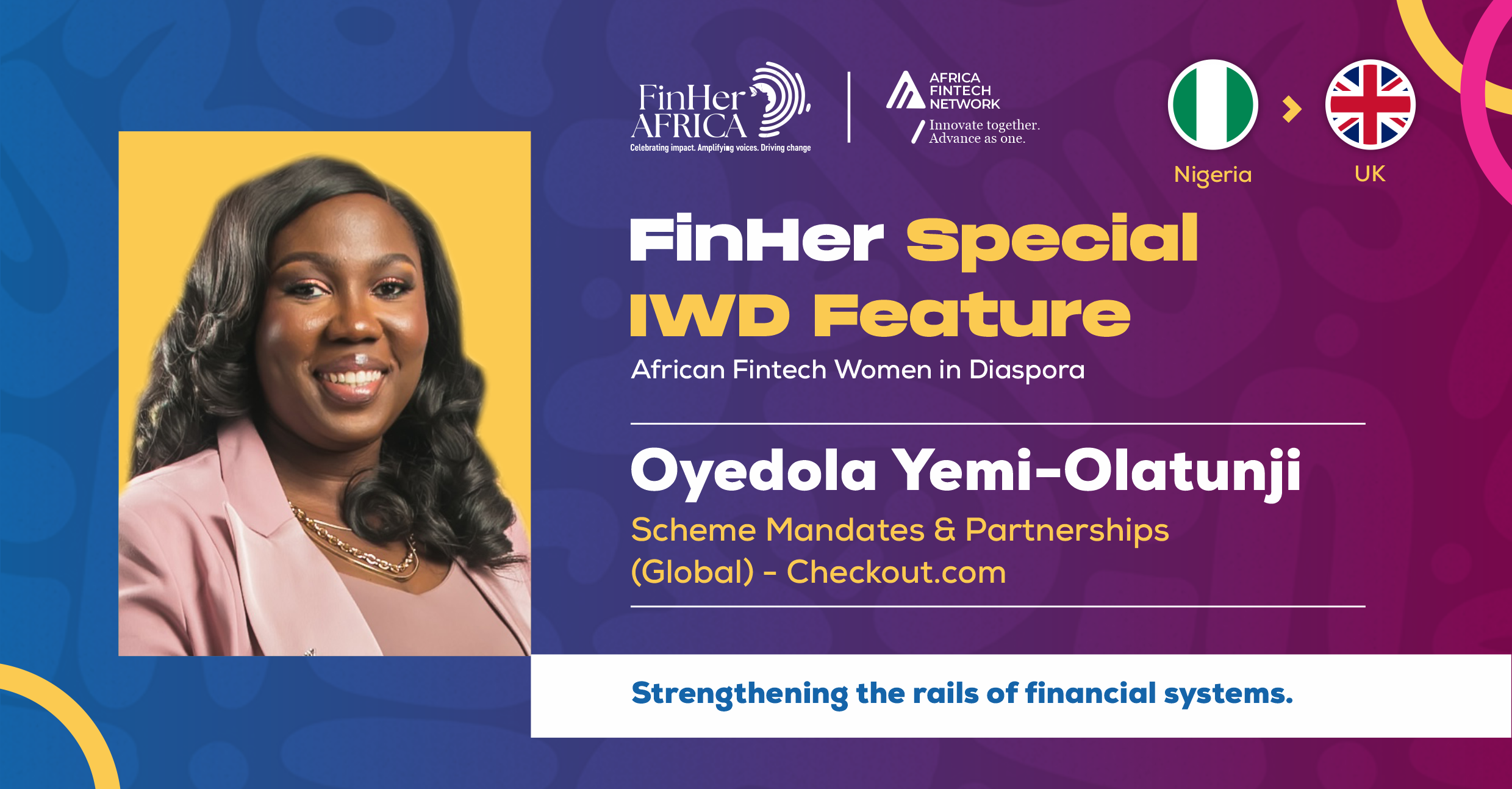
Oyedola is a fintech and global payments leader from Nigeria, Africa, currently based in the United Kingdom. She operates at the intersection of digital payment infrastructure, global scheme mandates, partnerships, and cross-border financial systems.
Her experience includes:
-Scheme Mandates & Partnerships (Global) – Checkout.com (Current)
-Global Payment Operations (EMEA) – PlayStation
-Head, Digital Payment Settlement & Payment Operations – OPay
-Digital Payment Executive – Guaranty Trust Bank
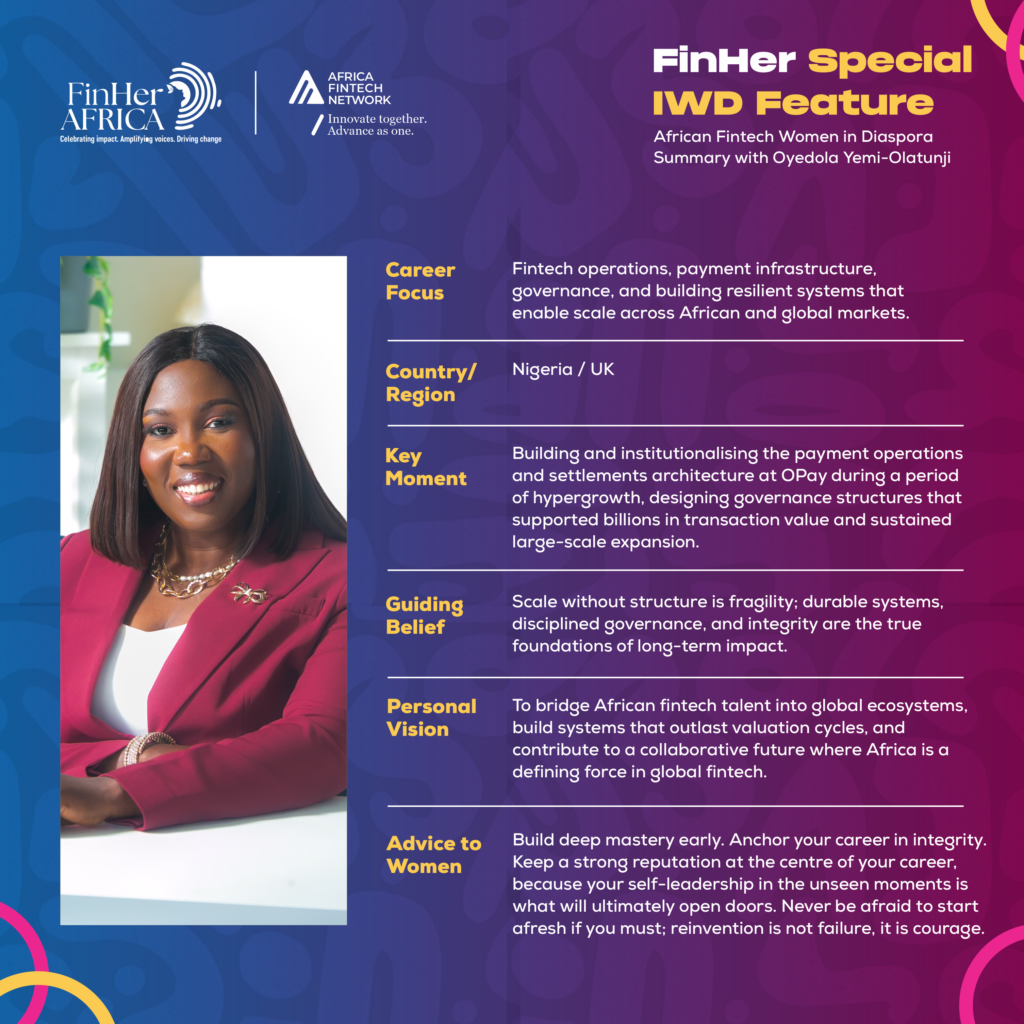
With a strong focus on payment governance, settlement architecture, and scalable operational systems, she works across African and global markets, positioning African-built expertise as a strategic contributor to institutional-scale fintech ecosystems.
Her leadership philosophy centres on structure, integrity, legacy-building, and creating systems that endure beyond individual roles.
1. Journey & Identity
Could you briefly share about your journey into fintech and how your African roots have shaped the way you lead and build in global ecosystems?
My journey into fintech started long before I understood the industry itself. Growing up, my Dad would often speak about leaders like Ngozi Okonjo-Iweala, not because she was in technology back then, but because she was an enabler of trade and global systems, and that idea of enablement stayed with me. I was drawn to industries that enable commerce, access, opportunity, and that led me from banking into scaling fintech operations across Africa and eventually into global payment ecosystems.
At OPay, I had the privilege of building the payment operations and settlements function from inception during a period of hypergrowth, an experience that shaped my understanding of infrastructure, governance, and resilience in fast-scaling environments. Moving into Checkout.com expanded that lens into global compliance frameworks and institutional-scale payment architecture. Working within the PlayStation ecosystem, part of Sony Group Corporation, reinforced the weight and credibility that African operators can carry into the most influential global rooms.
My African roots have shaped how I lead, reminding me that systems are rarely handed to us fully formed, they are built over time. It taught me resilience under constraint and the discipline to create structure where none exists.
“Africa trains you to see gaps not as limitations, but as invitations to build, for fit and purpose, and I carry that posture into every global ecosystem I step into.”
2. Working in the Diaspora
What has it been like building a fintech career in the diaspora while staying deeply connected to Africa’s ecosystem, and what advantages and tensions come with operating between African and global markets?
Building a fintech career in the diaspora has been an exchange of brilliance. I bring the adaptability, speed, and diversity of thinking that African markets demand, and in return, I gain exposure to structured governance, global standards, and capital discipline.
Operating between African and global markets gives me perspective because I see inefficiencies differently and understand scale through multiple lenses. There can be tension in constantly translating context, but I see more advantage than friction.
“The real question is not whether we can compete globally but whether we are intentionally positioned to do so.”
Staying connected to Africa for me is about talent and contribution, ensuring that our ecosystem does not just produce brilliance locally but builds operators who can thrive and lead on global stages.
3. International Women’s Day Reflection
This year’s International Women’s Day focuses on progress and equity. What does meaningful progress for women in fintech truly look like to you, and what responsibility do leaders like yourself carry in shaping that future?
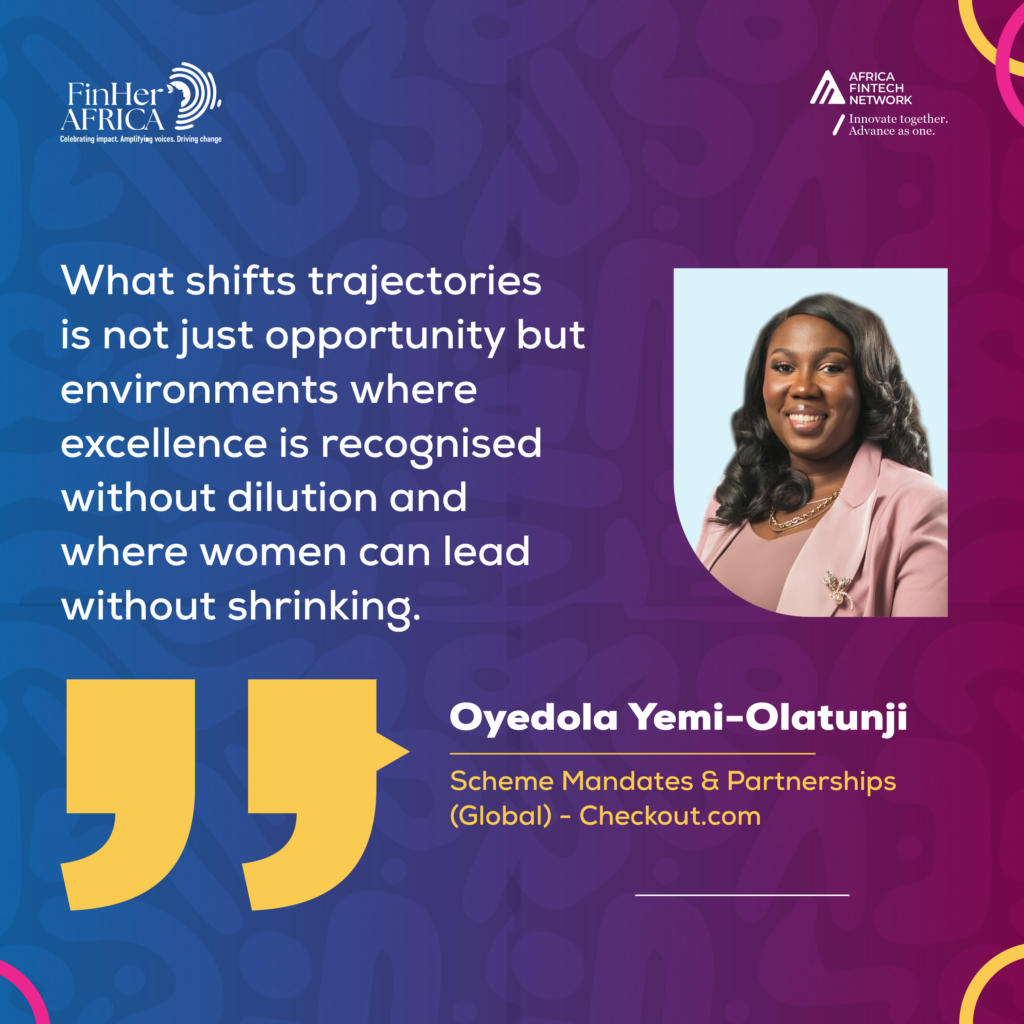
Meaningful progress for women in fintech is structural, not just symbolic. It means recognising women, especially working mothers, as humans first and designing systems that understand seasons of life without penalising excellence.
It looks like equitable access to decision-making authority, fair compensation, and psychological safety within high-growth environments. Leaders carry the responsibility not only to succeed individually but to build pathways that widen access, model competence with integrity, and ensure that the next generation does not have to navigate in isolation.
4. Women in Fintech
From your vantage point, what unique challenges do African women in fintech, especially those in the diaspora, continue to face, and what support systems or interventions have made the biggest difference in your own journey?
One of the key challenges, particularly from an institutional perspective, is fostering a strong sense of belonging and psychological safety for diverse communities. African women in the diaspora, similar to many underrepresented groups, often navigate the intersection of both gender and cultural identity within global professional environments.
This highlights the importance of institutional policies, leadership, and cultures that intentionally support inclusion and equity. When organisations create environments where diverse voices are valued and supported, it makes a meaningful difference in enabling people to thrive.
In my own journey, embracing my identity fully and staying grounded in purpose has been important. Equally impactful has been access to aligned mentorship and supportive professional networks that provided clarity, strategic guidance, and encouragement along the way.
5. Impact & Vision
What impact are you most proud of so far in your work across fintech and digital transformation?
The impact I am most proud of is building and institutionalising the payment operations and settlements architecture at OPay at a time when the company was scaling at extraordinary velocity.
When I stepped into the role, the ambition was clear; scale aggressively. But scale without an operational backbone is fragility. My responsibility was to build that backbone.
I built the payment operations function from inception, structuring operational governance across more than 40 products. At a time when mobile money transactions in Nigeria were increasing by over 1,500% within a few years and fintechs were processing trillions of naira in quarterly volumes, we had to design systems that were not just fast, but auditable, defensible, and resilient.
Under my leadership, we governed billions of dollars in transaction value within my direct span of oversight, during a period when OPay was processing over $12 billion monthly across its broader ecosystem. I redesigned workflows that recovered millions in previously lost revenue, strengthened internal controls, and embedded operational readiness frameworks that enabled new products to launch without destabilising the broader ecosystem.
It is one thing to be part of a high-growth fintech; it is another to build the operational discipline that sustains unicorn status, enables profitability, and withstands regulatory scrutiny.
“The pride does not come from valuation headlines, but from knowing that the frameworks, controls, and standards we embedded created durability in a system serving millions.”
6. Leadership & Influence
You’ve led and supported multiple initiatives across technology, innovation, and capacity building. How would you describe your leadership style today?
My leadership style is hands-on, succession- and legacy-minded. I am comfortable putting titles aside to get the job done because outcomes matter more than hierarchy.
“Outcomes matter more than hierarchy.”
I constantly ask how I can leave a place better than I found it, and that question drives my innovation and capacity-building mindset. I intentionally build leaders within my teams, cultivating leadership thinking in them long before they are officially appointed to the role.
“Leadership to me is not about occupying rooms but about widening doors and ensuring continuity beyond my presence.”
7. Bridging Ecosystems
Where do you see the biggest opportunities for collaboration between Africa-based fintechs and global institutions?
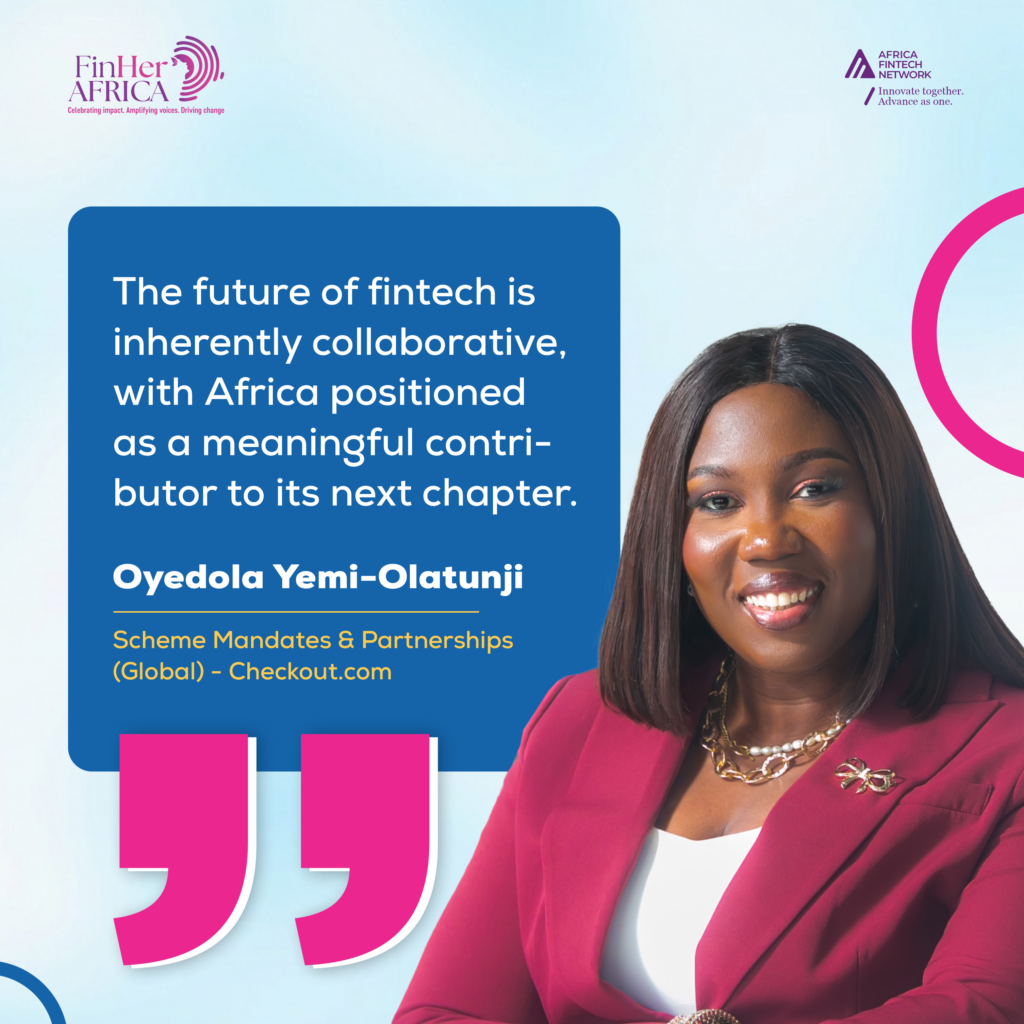
The biggest opportunity lies in talent. The operators who have built fintech in African markets carry a rare combination of resilience, creativity, and problem-solving under constraint. When that experience is integrated into global institutions, it can significantly accelerate innovation and scale.
There is significant untapped value for global institutions in bringing in operators who have built in Africa, leaders shaped by complexity, constraint, and rapid scale. This conviction led me to build BuildUp Hub, a platform designed to bridge high-performing African talent into global ecosystems by focusing on industry-specific mastery, global readiness, and identity alignment.
8. Advice & Legacy
What advice would you give to African women building fintech careers across borders today, and when people look back years from now, what do you hope they say you contributed to Africa’s fintech ecosystem?
I would tell African women building across borders that their brilliance and expertise are relevant globally, and that context is what they must refine.

“The most important voice on your career journey is your own.”
Shut out the noise of external expectations, stay anchored in your values, and focus on fulfilment over applause, because the world will eventually catch up to your authenticity and even if it does not, your peace will always matter more.
Awards & Recognition
- Norwich Business School MBA Innovation Award
- Outstanding Performance & Extraordinary Service – OPay
- Outstanding Performance, Operations Division – Guaranty Trust Bank
- Recognised by the UK Government as an Exceptional Global Talent and Proven Leader