In just over a decade, East Africa moved from a landscape where millions lacked access to financial services to one where mobile money is woven into the fabric of everyday economic life.
M-Pesa is an East African success story which has been told many times. Women, rural populations and informal workers across Kenya, Tanzania, Uganda and Rwanda gained access to payments, savings and remittances through a device in their pocket, without ever setting foot in a branch. Governments followed, digitising tax collection, licensing and public services through platforms like Kenya’s eCitizen, Rwanda’s Irembo and Tanzania’s government payment gateway, GePG.
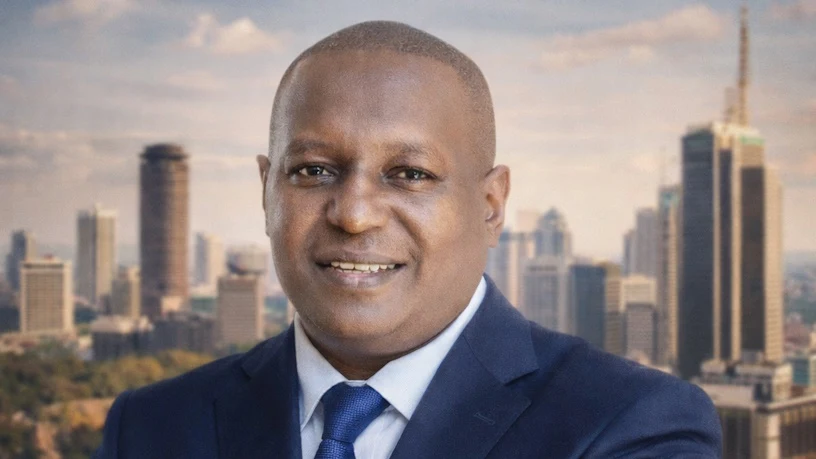
Today, East Africa’s payments layer is mature, but the broader financial ecosystem is still evolving. “Mobile money is no longer a fintech product,” says Joe Kiragu, Sybrin’s Regional Director for East Africa. “It’s core infrastructure. The region has solved many problems, but the next level is moving from access to quality and embedded services.”
From access to empowerment
The first era of East African fintech was defined by whether someone could send and receive money digitally. But today, customers across the region are no longer simply looking to move money from A to B.
“Expectations have evolved,” says Kiragu. “Customers want platforms that will help them save, borrow, invest and insure.”
Safaricom’s ecosystem is a great example of how much has already changed. From M-Shwari for savings, Fuliza for short-term credit, and Zidi, a money market fund for investment and even insurance products, customers can now access a range of financial services on a single platform. “The first era of fintech was about send and receive,” Kiragu says. “We are in an era of growth, wealth, access to productive credit, managing risk and participating more effectively in the digital economy.”
Read more: https://www.itweb.co.za/article/east-africas-next-fintech-act/8OKdWqDX3loqbznQ