Spotlight Summary
Profile Overview
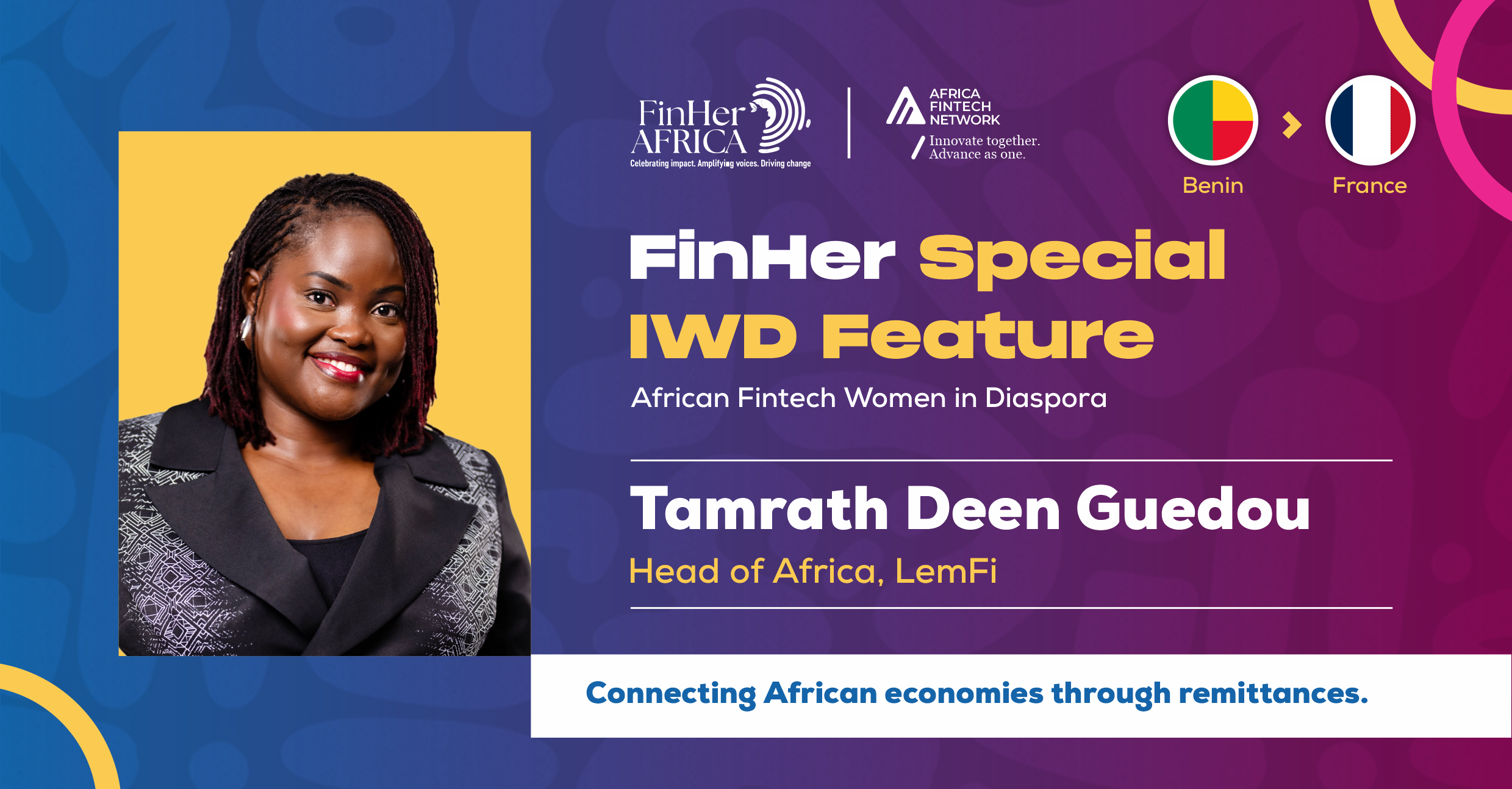
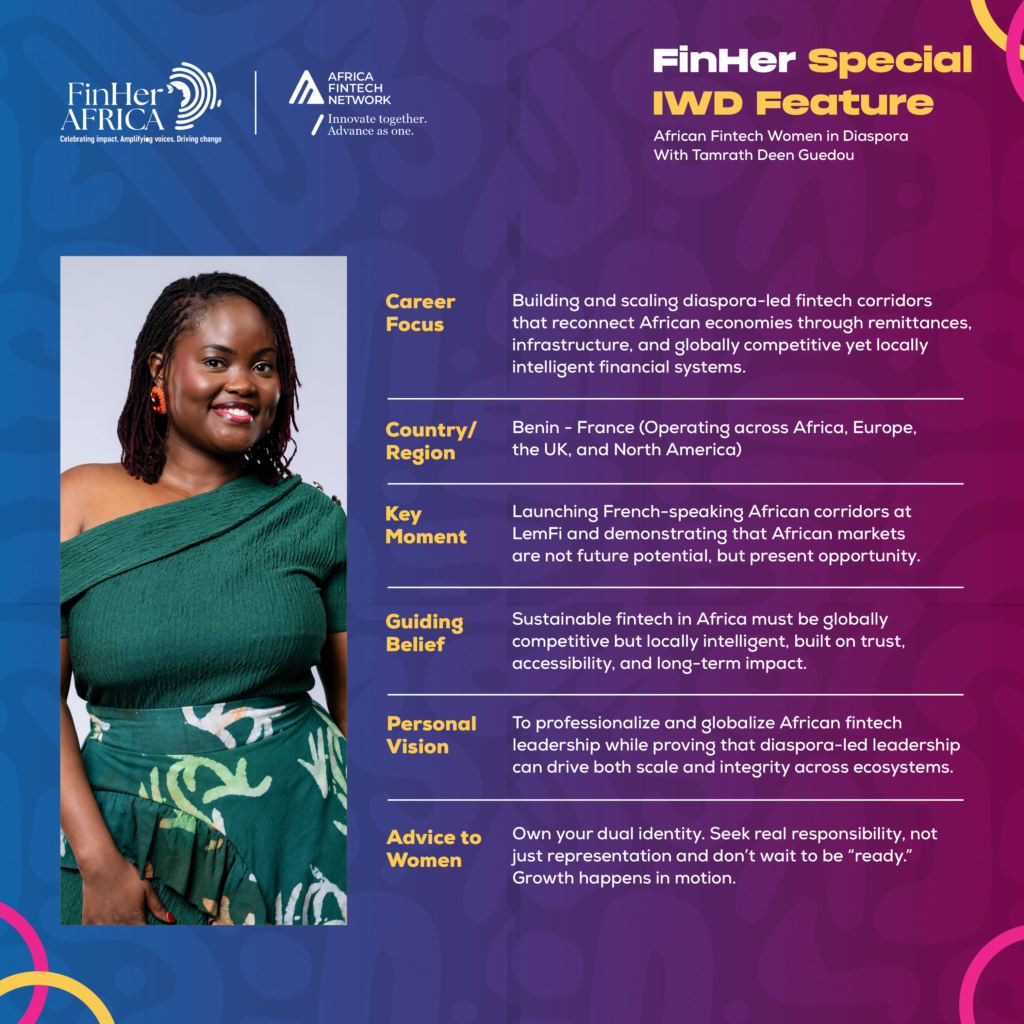
Tamrath DEEN GUEDOU is a fintech leader from Benin Republic, Africa, based in France, Europe. She drives cross-border growth and strengthens diaspora financial corridors across key markets.
Her experience includes:
- Head of Africa (Current) – LemFi
- Head of Africa, Europe & UK – LemFi
- Head of Growth and Operations, Francophone Central, West & North Africa Markets – LemFi
- Growth Manager – Taptap Send
- Growth Associate – Taptap Send
With a strong focus on remittances, payments infrastructure, and market expansion, she works at the intersection of African economies and global financial systems, positioning diaspora-led fintech as a strategic driver of growth and long-term impact.
Her leadership philosophy centers on trust, ownership, long-term impact, and creating environments where women and underrepresented leaders are given real responsibility, not just visibility.
Journey & Identity
Q: Could you briefly share about your journey into fintech and how your African roots have shaped the way you lead and build in global ecosystems?
A: My journey into fintech started at the intersection of diaspora lived experience and African realities. Growing up and building my career between Europe and Africa, I saw first-hand how fragmented financial systems made everyday life harder for Africans abroad and families back home.
“Working in fintech, particularly remittances, wasn’t abstract for me. It was personal.”
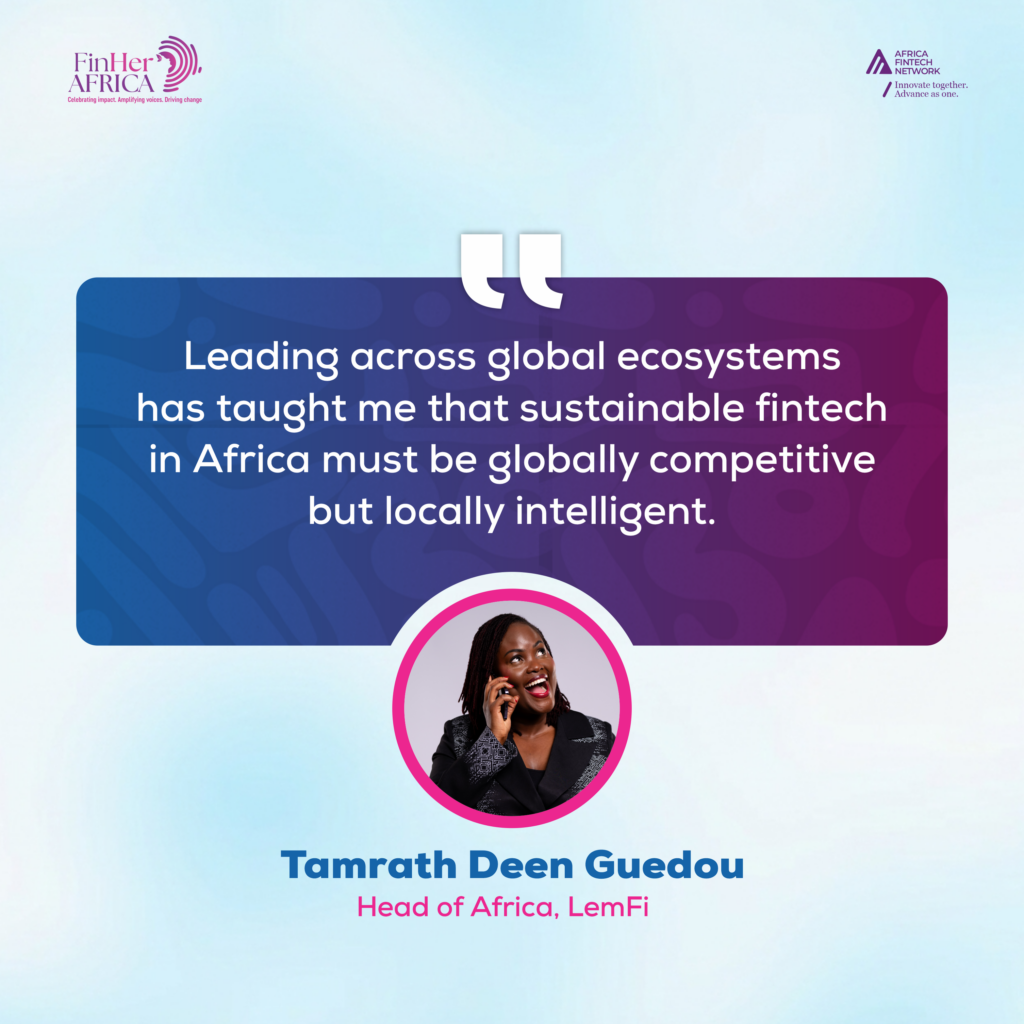
My African roots shape how I lead. I build with context, not assumptions. I think in terms of trust, accessibility, and long-term impact, not just scale.
Working in the Diaspora
Q: What has it been like building a fintech career in the diaspora while staying deeply connected to Africa’s ecosystem, what advantages and tensions come with operating between African and global markets?
A: Building a fintech career in the diaspora while staying deeply connected to Africa is both a privilege and a tension. The advantage is perspective: you understand global standards, regulation, and execution while still being close to real user pain points in African markets. The tension comes from constantly translating between cultures, timelines, expectations, and sometimes skepticism from both sides. Operating between African and global markets requires resilience and credibility. You often have to demonstrate that African markets are not future potential, but present opportunity.
That was my experience when I joined LemFi to launch French-speaking African corridors. While this was a strategic choice by the founders, I still had to prove the depth of the market, the scalability of demand, and the long-term value these corridors could generate.
Bridging Ecosystems
Q: Where do you see the biggest opportunities for collaboration between Africa-based fintechs and global institutions?
A: The biggest opportunities for collaboration lie in:
- Payments infrastructure & compliance
- FX, settlement, and liquidity
- Diaspora-led distribution and trust networks
Global institutions bring capital, systems, and regulatory maturity. African fintechs bring speed, innovation, and local relevance. When collaboration is built on mutual respect rather than extraction, both sides win.
Diaspora remittances to Africa are critical because they are one of the continent’s most stable and impactful financial flows. Each year, Africans abroad send around $95 to $100 billion back home, an amount that often exceeds foreign aid and rivals foreign direct investment.
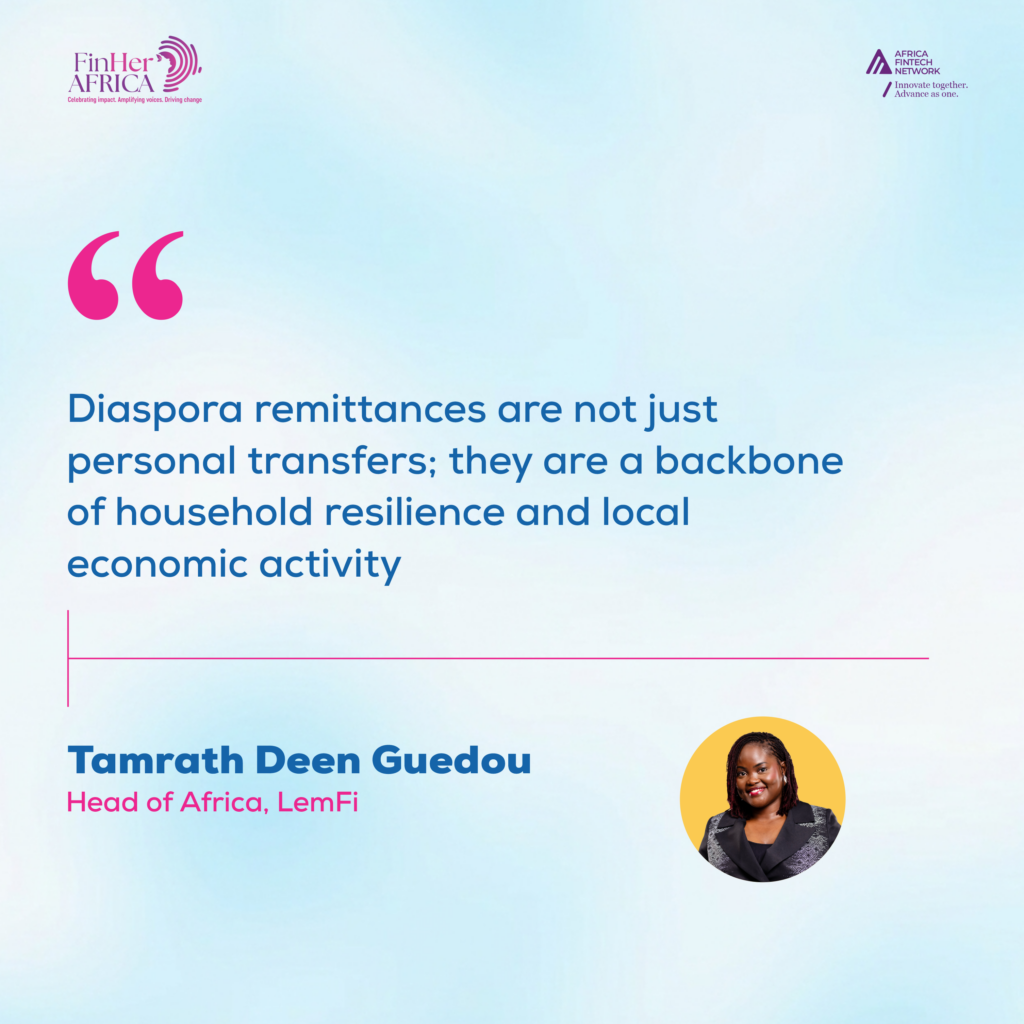
These funds support everyday essentials like food, healthcare, education, and housing. In many countries, they represent 5% or more of GDP.
Women in Fintech
Q: From your vantage point, what unique challenges do African women in fintech, especially those in the diaspora continue to face, and what support systems or interventions have made the biggest difference in your own journey?
A: African women in fintech, especially in the diaspora, face layered challenges:
- Gender bias
- Cultural expectations
- Underrepresentation in decision-making roles
- And often, the burden of being “the first” or “the only one”
What made the biggest difference in my journey has been:
- Access to responsibility early
- Leaders who trusted me with real P&L and market ownership
- Strong peer networks, not just mentorship
- And faith, grounding my leadership in purpose, not just performance
“Support systems matter, but sponsorship and trust matter even more.”
Impact & Vision
Q: What impact are you most proud of so far in your work across fintech and digital transformation?
What I am most proud of is contributing to the practical reconnection of the African diaspora to African economies through products that are reliable, affordable, and built at scale.
The impact goes far beyond volume or growth and is reflected in:
- Cross-border teams thriving across Africa, Europe, the UK, and North America
- African markets being treated as strategic growth drivers rather than secondary expansions
- Diaspora users regaining confidence in sending money, investing, and building back home
- Meaningful access to tech and fintech careers through impactful hiring and talent development across Africa and the diaspora
Together, these outcomes represent real digital transformation grounded in both economic impact and people development.
International Women’s Day Reflection
Q: This year’s International Women’s Day focuses on progress and equity. What does meaningful progress for women in fintech truly look like to you? What responsibility do leaders like yourself carry in shaping that future?
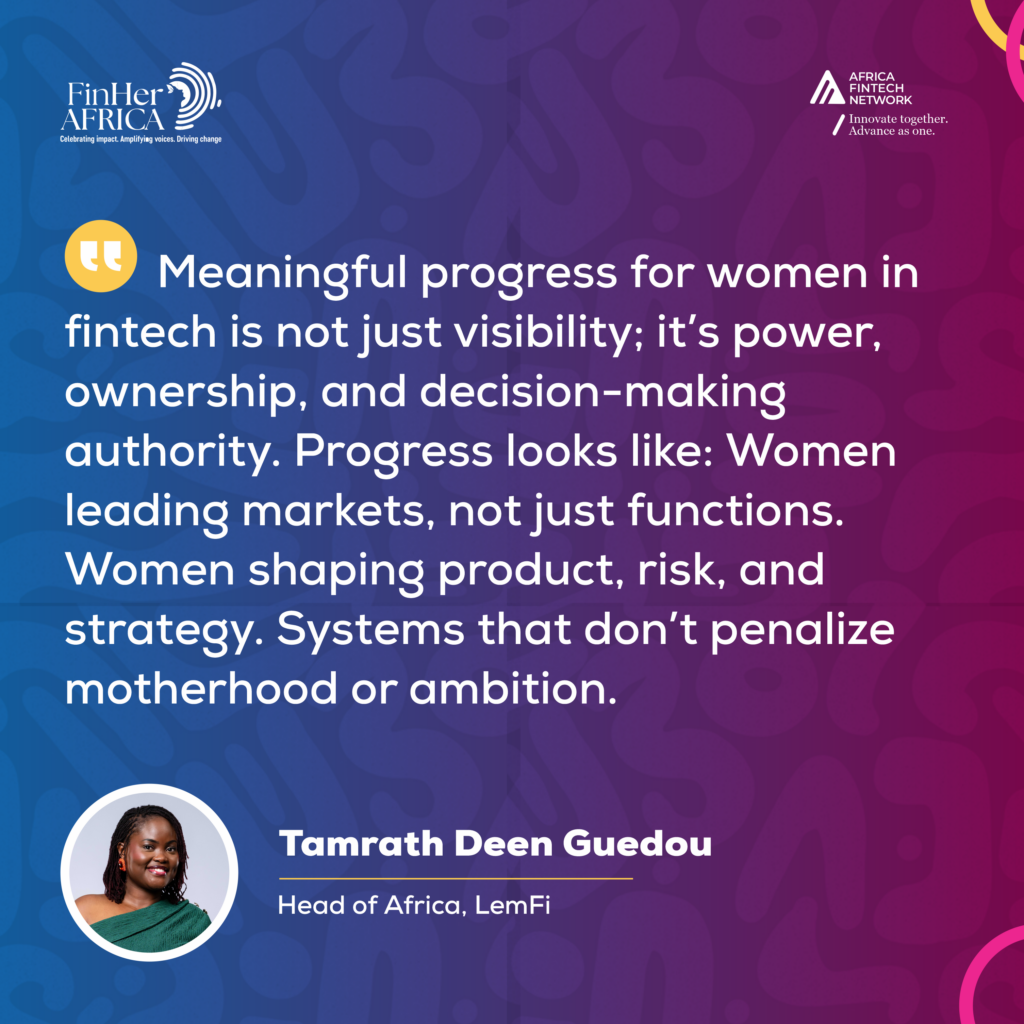
Leaders like myself carry the responsibility to open doors intentionally, build teams that reflect equity, and normalize women operating at the highest levels without apology.
Advice & Legacy
Q: What advice would you give to African women building fintech careers across borders today?
A: Own your dual identity. Your ability to navigate multiple worlds is not a weakness, it’s your edge. Seek environments that give you real responsibility, not just representation. And don’t wait to be “ready.” Growth happens in motion.
Q: What legacy do you hope to leave?
A: When people look back on your work years from now, what do you hope they say you contributed to Africa’s fintech ecosystem?
Years from now, I hope people say I helped:
- Professionalize and globalize African fintech leadership
- Build strong, cross-cultural teams
- And prove that diaspora-led leadership can drive both scale and integrity in Africa’s fintech ecosystem