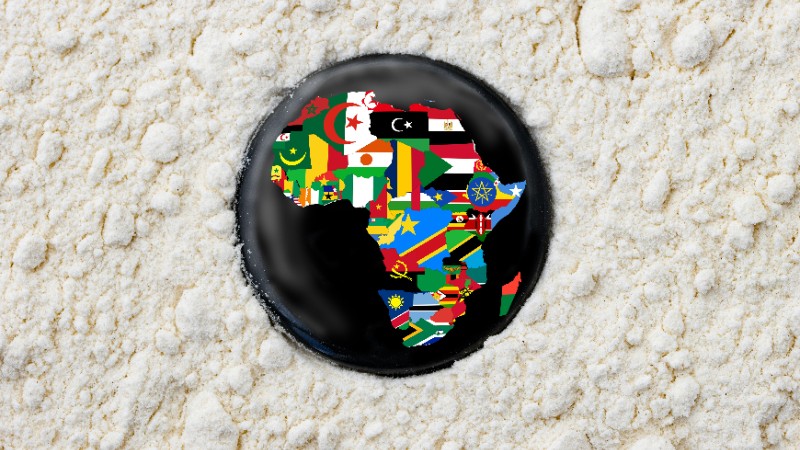
Africa was once seen mostly as a continent in need of international aid, with investment focused primarily on protecting it as a victim of global climate change impacts and obstacles of rurality.
While these challenges persist, the positioning of Africa on the financial stage has dramatically shifted to one of strength, leadership and invention, particularly within mobile banking and digital assets. To meaningfully retain this position, it must contend with its fiscal headaches and areas of political instability to firmly position itself as a safe and value-generating investment.
The debt issue
Africa must tackle the two most costly economic challenges to its strong potential: the cost of climate change remediation and of existing debt repayments.
As Enrico Camerinelli, strategic advisor, Datos Insights, told Finextra: “With African debt service consuming $74 billion annually and sovereign debt rising to 60% of GDP, the continent needs embedded finance and trade finance solutions that give mid-market enterprises the same capital efficiency tools multinationals use. Until then, FinTech growth coexists with debt vulnerability. This is a paradox Africa can’t afford.”
Camerinelli is not overexaggerating the scale – as much as the fintech market is growing exponentially, it is too often overshadowed by the fight between extensive percentages of GDP being spent on debt repayments and climate change effects. This nasty cycle has actually become a broader opportunity for the international community.
While the issue of debt creates pressure on the continent’s economic growth, its successes within the fintech market provide some optimism for Africa’s potential.
A mobile banking leader
Africa’s future is not an entirely simple thing to predict and depends not only on the efforts of African governments and financial institutions, but also on international investors. Put simply, Africa offers an interesting opportunity: as the fastest-growing fintech market in the world, it provides leadership and influence. Equally, with a need for crippling debt assistance, it offers international investors the chance to fulfil climate objectives.
Beginning with the former point, Africa is frequently seen as a strong player within the financial technology industry. In particular, Africa holds nearly 75% of the world’s mobile transaction volumes globally and is emerging as a figurehead of digital assets adoption.
As reported in Chapter 4 of African Banker’s ‘Africa’s Digital Banking Experience Series’ report, mobile phones have become Africa’s ‘most powerful tool for financial access’.
While banks in Africa are improving their app experiences and online offerings, like other counterparts, there is Unstructured Supplementary Service Data (USSD) banking for those in more rural and low-income communities without access to smartphones.
USSD provides foundational access to financial services without strong internet connections and is something that – built by mobile network operators – is not limited to mobile models. While USSD has its own limitations and regulatory concerns, its retention – alongside other more high-tech advancements – offers opportunities to the whole continent.
With more fragmented bank locations and accessibility issues, the need for an alternative has long been an early essential, rather than an afterthought. Africa’s approach to mobile banking and infrastructure, in general, is very much transformational, rather than just additive.
At the centre of our modern inflexion point surrounding the need for greater mobile-first infrastructure is optionality and accessibility. Aiming for many of the same goals is the rise in digital assets.
Read more: https://www.finextra.com/the-long-read/1722/how-africa-is-confronting-its-debt-problem-to-retain-its-fintech-potential