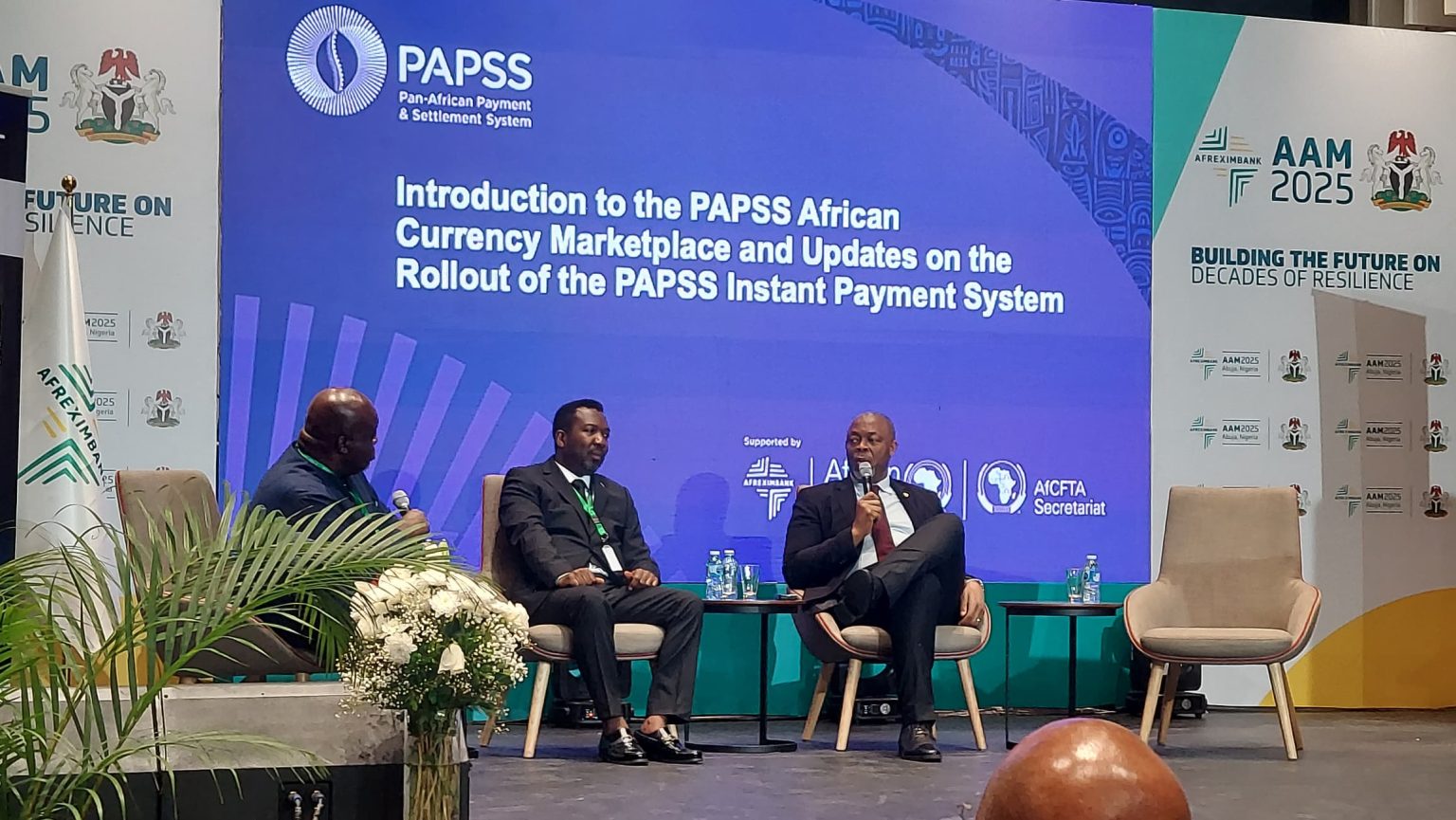
When the Pan-African Payment and Settlement System (PAPSS) launched in January 2022, it aimed to address one of Africa’s most persistent trade barriers: the high cost and complexity of cross-border payments. Its core promise was simple: enable instant, low-cost payments in local currencies, eliminating reliance on correspondent banks in Europe and the United States.
That ambition is increasingly intersecting with a broader shift underway across the continent—the rise of Digital Public Infrastructure (DPI). In Nigeria, one of PAPSS’s most important markets, foundational layers such as real-time payments, digital identity, and interoperable banking rails are beginning to reshape how money moves domestically and, by extension, how it can move across borders.
Sub-Saharan Africa remains the most expensive region in the world for sending money, with average remittance fees reaching 8.45% in Q1 2025, far above the global average of 6.4% and more than double the United Nations’ Sustainable Development Goals target of 3%. In certain intra-African corridors, such as transfers from Tanzania to Rwanda, costs can soar to 15–20% due to limited direct banking links.
A major driver of these high fees is the “USD detour,” in which a large majority, often estimated at over 80% of cross-border African payments, are routed through correspondent banks in the US or Europe, forcing currencies like the Kenyan and Ugandan shillings to undergo unnecessary dollar conversions that can add an extra 2–5% to every transaction.
Read more: https://techcabal.com/2026/03/31/how-papss-is-meeting-cross-border-promise-four-years-on/